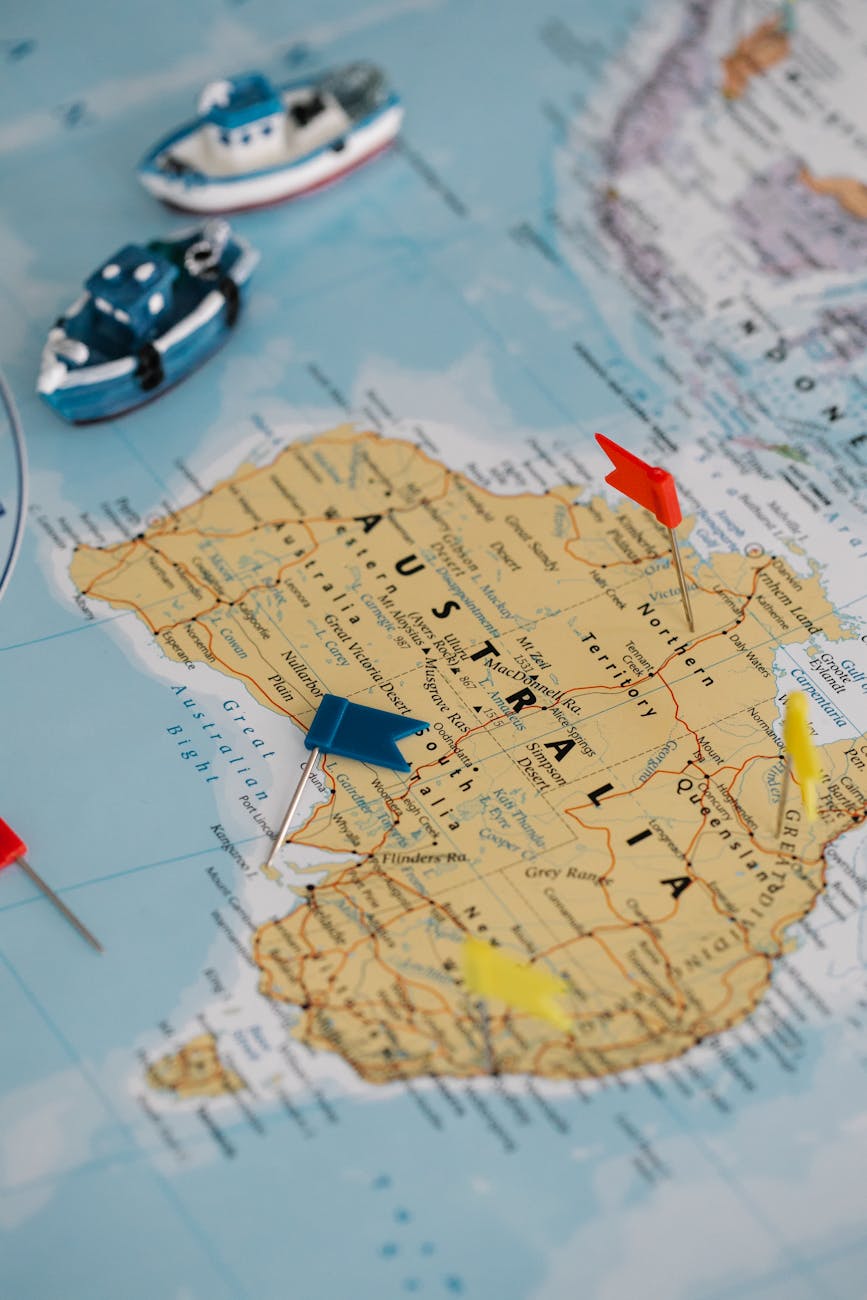
In a world of constant change — from global conflicts to economic downturns, climate change and social tensions — it’s easy to feel overwhelmed. But I find understanding what’s happening and why it matters to me and my community actually helps me feel more grounded and prepared. I don’t sink into a whirlpool of internet doom-scrolling. I monitor my own consumption of information and online gossip disguised as news and try to be sensible with my time.
What’s Going on in the World (2025 recap)
Close to the end of 2025, let’s look at a few major global factors shaping our world in 2025:
- Power rivalries and strategic realignment: Tensions between major powers such as the United States and China remain elevated. Their relationship affects trade, supply chains and diplomatic alliances — all of which influence global stability. Australia is often portrayed as being in the middle of these two powers, as we attempt to keep both on side enough to not cause too many issues.
- Economic interconnectedness and risk: Global economic uncertainty — from conflict-driven inflation to shifts in supply chains — continues to affect prices, jobs, investment and business confidence around the world. A globalised world can be great, but it can also have great impact on our personal economic power and health, as trends far away drive to increase or lower prices on things. Think of the cost of living or droughts impacting crops.
- Climate-linked instability: Climate disruptions are increasingly treated as geopolitical risks because they interact with food security, migration, infrastructure and public health. This year saw Australia take on the first climate refugees officially from Tuvalu.
- Information environments getting more complex: Across countries, there’s growing competition over narratives and facts — which makes “truth and trust” harder to sustain. The US is a prime example of how we cannot trust traditional media outlets to be factual or objective. Another example is the world of social media, where mis- and dis-information rules. Once seen and believed, it can be very hard to untangle people from ‘news’ that is not based on facts, or is very skewed.
These big shifts might feel distant at first glance — but they do ripple into everyday life in Australia.
How geopolitics impacts us in Australia
Australia is not on the sidelines — we are central to many strategic shifts:
Strategic and Security Environment
Australia’s foreign policy and defence posture are adapting to a changing world. Our government prioritises regional engagement, alliance networks and protecting national interests in uncertain times. DFAT outlines Australia’s foreign policy approaches.
This doesn’t mean Australians should focus on fear and uncertainty — it does mean our awareness of defence, foreign interference and open societies is increasingly important. We should remain aware of the laws government is raising and passing that impact how we operate as a country – if we don’t look at these, we could find our country shifting from supporting our collectives values to responding to fear with overt caution and restrictions.
Recent security assessments suggest Australia faces a broader range of threats than in previous decades, including foreign interference, cyber threats and politically motivated violence. You can read more at intelligence.gov.au
Everyday Life Impacts
Here are real ways these global changes can touch day-to-day life:
- Economic pressures: Rising global energy prices and supply chain volatility can contribute to higher living costs, especially in transport, food and utilities. S&P Global
- Social tensions: Large public protests here — from international conflicts to debates over immigration — reflect how global issues influence local communities. The freedom to protest is an important part of democratic freedom, and should be protected. However, we should remain aware of the reasons behind protests, and how we react to protesting and the impact we have on our general social cohesion.
- Climate-linked events: Unusual weather patterns, marine impacts like algal blooms (e.g. South Australia) and shifting environmental risks further underline how global and local concerns intersect.
UK Ernst & Young deliver an annual outlook each year on what’s going on in the world and how they see it potentially impacting business – this is a good indicator on what to keep aware of for ourselves too. Click here for the 2026 Outlook.
How to Be Prepared — Without Panic
Being prepared in our complex world is not about expecting disaster — it’s about building capability, self-agency, resilience and clarity of understanding. Here’s one way you can approach it, step by step.
Educate ourselves
Instead of doom-scrolling or reacting to every headline or social media post, develop a practice of focused awareness:
- Choose reliable sources: Government reports, respected news outlets and expert commentary are better than social media speculation. Just remember a lot of news sources are syndicated, and create their own circle of biased information this way, so check where your sources originated too. If it’s a topical, controversial issue, be objective rather than emotive. It’s also worth checking the author’s bio/background and who an organisation belongs or answers to – sometimes this tells you more about their possible biases than you can see reading an article.
- Track trends over time: Look at developments over weeks or months to see patterns rather than isolated events.
- Contextualise major events: Ask: Why does this matter? Who does it affect? What might change in daily life?
- Avoid responding or re-posting before you understand. And remember the acronym for thoughtful communication, THINK. Is it True, Helpful, Inspiring, Necessary, and Kind. (In this context, I consider the ‘true’ part to be is it a fact, as truth is more about our own perception than objective fact).
Practice an “Analyst Mindset”
Practice thinking like someone trained to observe and interpret — you don’t need special training for this, just a flexible, open mindset.
Separate facts from feelings and opinion:
Not every headline is equally credible. Ask: Is this verified by multiple sources? Are those sources separate, or part of a conglomerate (which often syndicate articles)? Is the information FUN – Factual, Useful, Necessary?
Ask basic questions:
What happened? Who is involved? What could change because of it?
Why does it matter for me and my community?
Look for trends, not just events:
For example, rising commodity costs, shifts in shipping routes, or defence engagements near Australia can be signals of broader change.
Ground our Preparedness in Practical, Everyday Reality
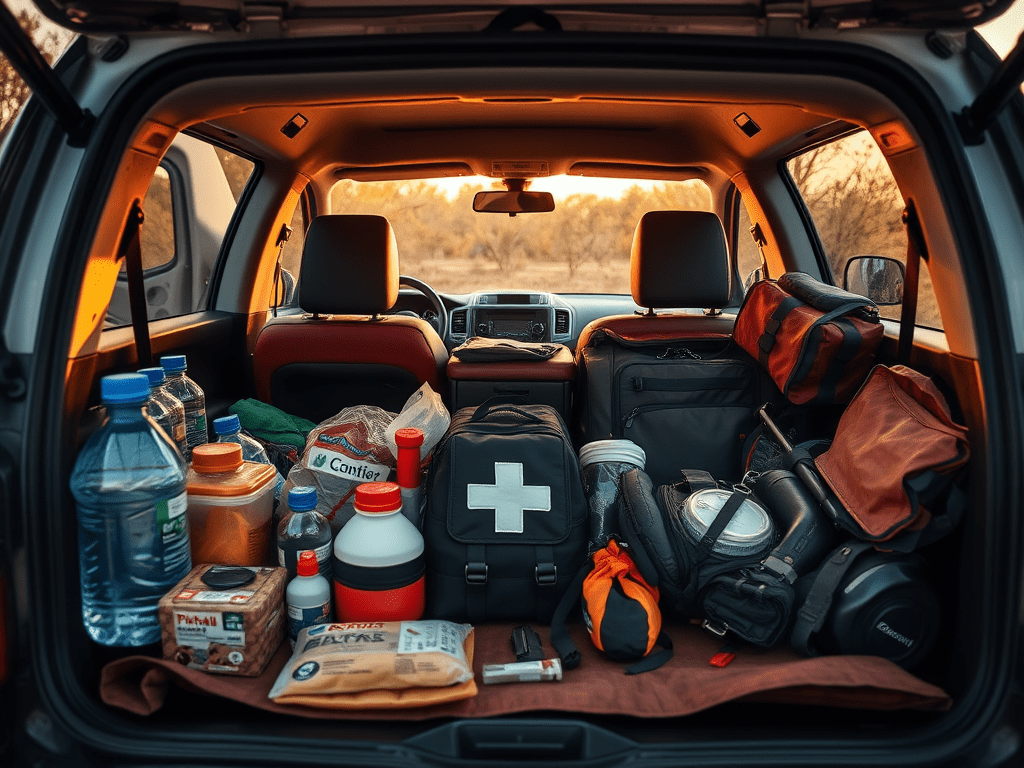
Preparedness doesn’t start with stockpiling or underground bunkers — it starts with systems that support our life. Here are some practical areas to focus on:
At-Home Routines:
- Develop flexible cleaning, supply and maintenance systems so your home is comfortable and functional under stress.
- Keep key documents, contacts and plans organised. This helps in high-risk weather seasons, family emergencies, and more. It can also build a feeling of peace through preparedness.
Skill Readiness:
- First aid, basic self-defence, budgeting, community networking, gardening and problem-solving skills are all forms of personal resilience. Focus on capability, not control. Life throws curveballs all the time, and we can’t control that – but we can increase our own capability.
Information Readiness:
- Learn to access alerts (weather, safety, health) for your area.
- Practice assessing information sources daily so you maintain good judgement. Don’t get fooled by emotion.
Community Readiness:
- Get to know your neighbours and local groups — communities that can help one another are stronger in any disruption. Think about the way we all pull together during and after floods and fires, and build some connections before an event happens. Join a group, introduce yourself to your neighbours. You might get a new friend, find a nearby house or pet sitter, or learn a new skill out of this simple step.
Prioritise Wellbeing and Emotional Preparedness
Being prepared emotionally is as important as being prepared practically:
- Set boundaries on how much you consume news.
- Balance global awareness with a focus on the present and trend awareness.
- Build routines that centre on rest, connection, growth and purpose.
Preparedness isn’t about turning off your life or turning down opportunity; it’s about making your everyday life more adaptable and strong.
Advocate and Participate
You don’t have to be an expert to be engaged:
- Vote and engage with civic issues — understanding how government policies link to global forces helps you contribute meaningfully. Keep an eye on laws being passed nationally, in your state/territory, and locally.
- Support community readiness efforts — local disaster prep, community gardens, shared skill projects.
- Ask questions and learn — geopolitics shouldn’t be jargon; it’s about people, relationships and decisions that affect us all.
Global geopolitics might look distant and complicated — but it interacts with your life at levels you can influence and strengthen. Focus on clarity, capability and calm action, and you’ll find that preparedness becomes a source of confidence, not fear.
We are responsible for the world we live in, how we react to evets, people and politics.
We’re only better together if we put in the work.




 Horizon Homestead
Leave a comment