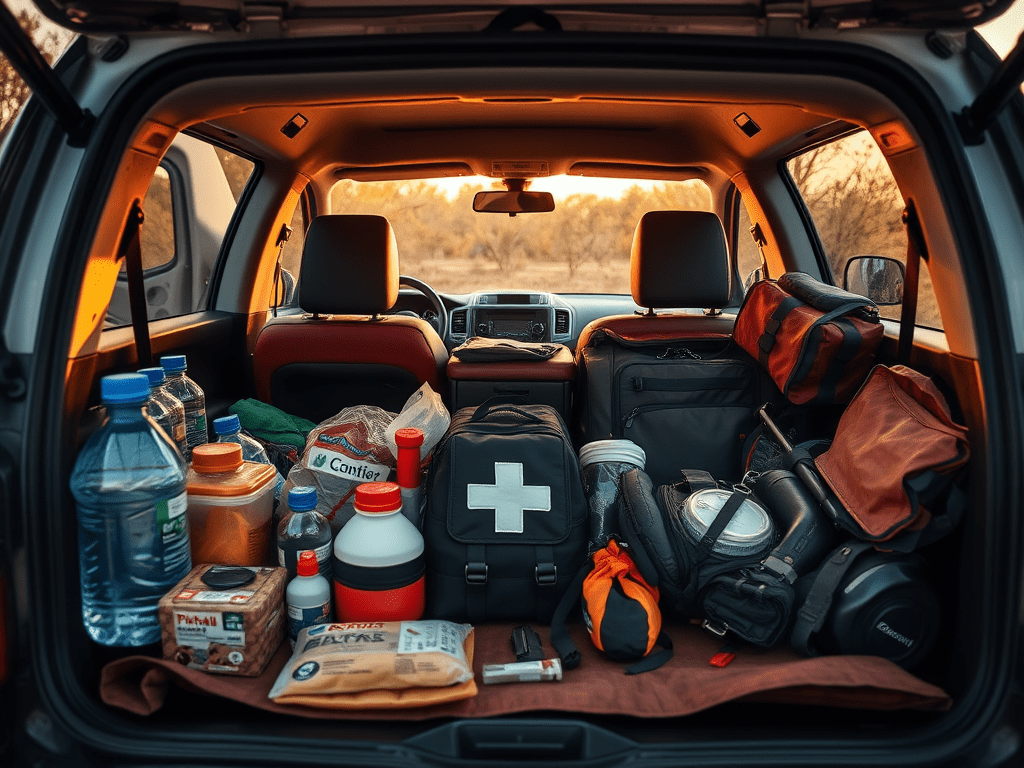
Preparedness isn’t about panic or “doomsday” thinking. It’s about capability, resilience, and having options when things don’t go to plan.
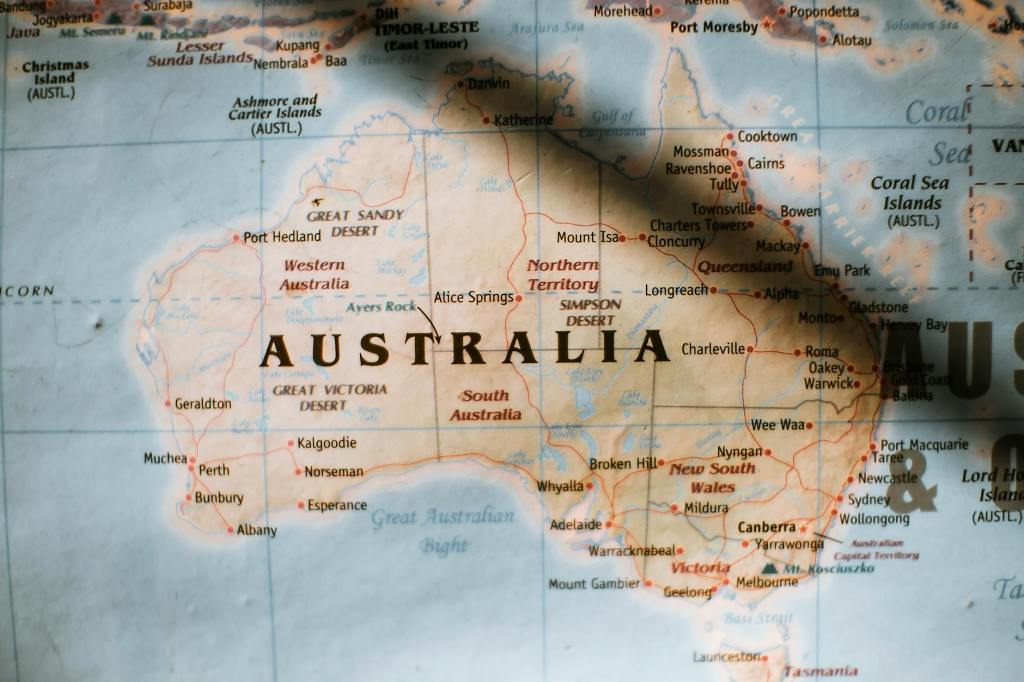
In Australia, risk is part of everyday life. Wet seasons and cyclones affect the north, while heatwaves, bushfires, and flooding impact much of the country. Preparing for these events isn’t extreme — it’s practical.
Advice on emergency supplies varies widely. You’ll often hear the traditional recommendation of 72 hours of food and water, while NSW Health and other agencies suggest up to 14 days. For most households, that higher figure assumes your water supply remains available. Outside of rainwater tanks, very few people have space to store 14 days’ worth of water at roughly 3 litres per person per day, plus extra for pets and hygiene.
My personal baseline is one 10-litre water container per person, plus 2–5 litres per pet, topped up continuously. These containers also get regular use for camping and road trips, so nothing sits unused.
My Approach to Preparedness
I’ve built a preparedness plan that works for me and my pets (a dog and a bird). Because I camp and travel regularly, much of my emergency gear overlaps with equipment I already own and use. Having moved interstate recently, I’ve been taking a look at my old plan and kits, and ensuring they are still fit for purpose for my new home, and making plans to adjust things where needed.
This post focuses on a vehicle evacuation load-out — what I’d want ready if I needed to leave quickly. In my area, evacuation is most likely due to flooding or bushfire. Heatwaves, by contrast, usually mean staying home, keeping cool, and reducing exposure rather than leaving.
Think of this as a baseline checklist. Adapt it to your risks, climate, vehicle space, and household needs.
Vehicle Evacuation Load-Out Checklist
(This section is intentionally concise and printable. Explanations follow each category.)
WATER (Priority #1)
☐ 15–20L minimum total
☐ Electrolytes
☐ Collapsible water container or jerry cans
☐ Water filter (backup)
Notes
I keep plastic water bottles under each seat in my car — around 1.5L per seat — which covers passengers, unexpected delays, or helping someone else. For longer trips, I add a 10L container as standard. I also keep a Lifestraw bottle and a Lifestraw in the glovebox.
MEDICAL
☐ Trauma kit (tourniquet, pressure bandage, gauze)
☐ General first aid supplies
☐ Snakebite bandage
☐ Personal medications (minimum 3 days; aim for 1–2 weeks)
☐ Sunscreen
☐ Insect repellent
Notes
Many pre-filled kits are heavy on bandaids and light on useful supplies. After learning remote first aid from a nurse, I built my kit up from a basic base and tailored it to my environment and travel habits. That includes trauma supplies, a snakebite bandage, aloe gel for sunburn, saline for wound cleaning, and tougher dressings suited to rural travel.
SHELTER & HEAT
☐ Tent, swag, or rooftop tent (tested)
☐ Tarp or ground shelter
☐ Groundsheet
☐ Wool blanket
☐ Hat
☐ Long-sleeve natural-fibre clothing
Notes
I clean, pitch, and repack my shelter gear every summer and winter. I also keep a blue tarp in the car — it’s versatile and highly visible if stranded. Wool is my preferred blanket as it insulates well and smoulders rather than melts near heat.
My car has small storage compartments where I keep a compact shower setup, hygiene items, a high-vis shirt, raincoat, and spare hat — useful for breakdowns or roadside repairs.
FOOD (72 HOURS)
☐ Shelf-stable meals
☐ Tinned protein
☐ High-energy snacks
☐ Stove and fuel
☐ Mug
☐ Spork or cutlery set
☐ Small pot
☐ Lighter
☐ Backup fire starter
Notes
I keep a year-round “camp box” stocked with a long-weekend’s worth of non-perishable food and basic cooking gear. Nothing fancy — tinned stews, tuna, vegetables, creamed rice, fruit, UHT milk, and juice poppers. I always take it camping, so it’s always ready – it serves double duty as my car evacuation food box too. It’s designed for cold camping: minimal effort, no fridge, no esky, and still enough for full meals and snacks.
VEHICLE & RECOVERY
☐ Jumper leads
☐ 12V tyre inflator
☐ Tyre plug/repair kit
☐ Basic tool roll
☐ Duct tape
☐ Cable ties and metal hose clamps
☐ Engine oil (1L)
☐ Coolant (1L)
☐ Gloves
☐ Fire extinguisher
Notes
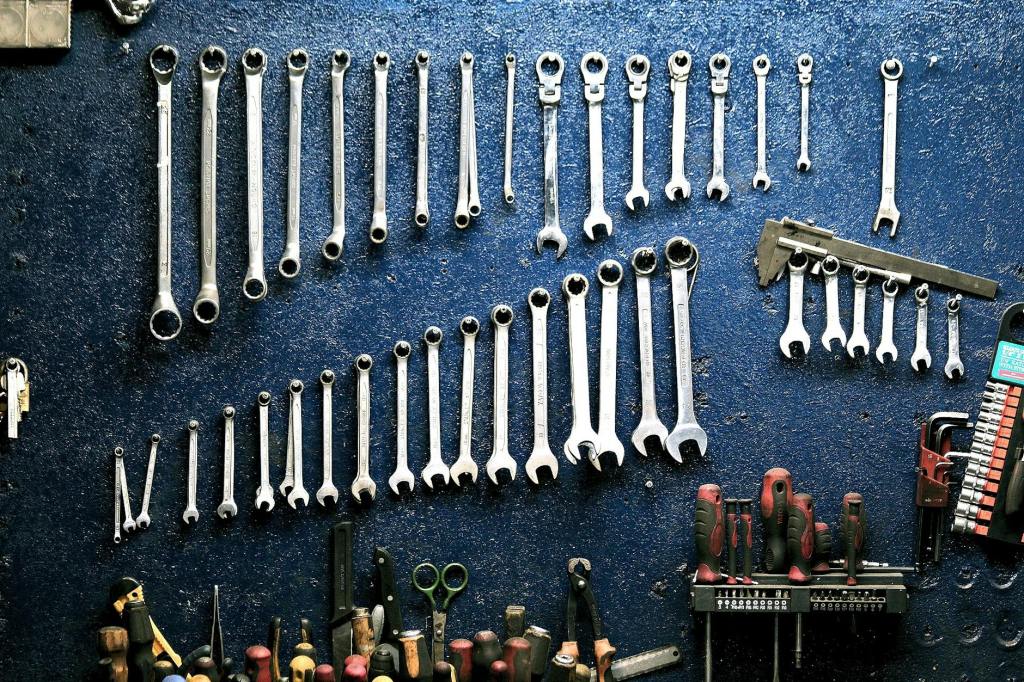
After years of rural and remote travel, I’ve never regretted carrying basic vehicle supplies. My tool roll lives under the driver’s seat near the jack. For longer trips, I add a spare engine belt and a few hard-to-find parts — small items that can make a big difference far from help. I don’t have a huge setup with all the latest ‘essential’ gear marketed to 4wd enthusiasts, because I’ve never needed it. I focused on learning basic skills to help me get out of a bind or fix simple problems.
POWER & COMMS
☐ Power banks
☐ Vehicle charger
☐ Battery radio
☐ Offline maps (paper)
☐ Jump starter
Notes
My radio is a solar/USB/battery/crank combo with a torch and power-bank function. I also keep a national road atlas and a region-specific map in the car. A UHF radio is next on my list — ideally a plug-and-play unit that can move between vehicles.
HYGIENE & CLOTHING
☐ Baby wipes
☐ Toothbrush and toothpaste
☐ Hand sanitiser
☐ Toilet paper or toilet wipes
☐ Spare underwear
☐ Spare socks
☐ Warm layer
☐ Small rubbish bags
DOCUMENTS
☐ Copies of ID
☐ Insurance details
☐ Vehicle registration
☐ Emergency contacts
☐ Cash (small notes and coins)
☐ Pen
☐ Notebook
PETS
☐ Proof of ownership (photos together)
☐ Registration and microchip details
☐ Vet contact information
☐ Three days of food and water
☐ Bowls
☐ Spare lead
☐ Spare collar
☐ LED clip light
☐ Pet first aid kit
Final Thoughts
Preparedness doesn’t mean buying everything at once or building a bunker in the backyard. Often, it’s about recognising overlap — using what you already own, filling small gaps, and thinking through realistic scenarios.
A plan you’ve thought about and tested will always beat a perfect checklist you’ve never touched.


 Horizon Homestead
Leave a comment