Modern schools are great for teaching a few core things – literacy, maths, memorisation. Some modicum of what’s appropriate behaviour in society vs what isn’t. But there are so many things I feel I could have spent 12 years learning that school didn’t teach – or, interestingly, dropped off more and more as the years went by. I was taught knowledge is never wasted, and while I agree with that, I think we need so much more information these days to make good opportunities for ourselves, that our current primary sources of knowledge (family and school) is insufficient, or poorly equipped to deal with such a rapidly evolving environment. Here’s 10 areas I think we should try to lift up in our learning:
1. Financial Literacy
This is a big one for me. Given today’s obsession with money and of course, the ever-continuing cost of living crisis, you’d think schools would be a foundation of learning for managing your own money – how to get a job, what a tax file number is, how to develop a budget and how to save money. Disappointingly, they barely touched on any of these. I think we had a brief week in about year 10 (so 15-16 year olds) on creating a resume and getting a job. Nothing on how to safely and sensibly manage money, the importance of saving and spending. Certainly nothing about compound interest, credit cards, mortgages, how taxes actually work, how to do a tax return, what influences your credit rating and why it matters. these are core skills required for managing adulthood in most societies today, yet our schooling system doesn’t seem to focus on them. Baffling.
2. Media & Information Literacy
Who would have thought mis- and dis-information would become such a huge part of our lives? Anyone who ever read a history book, some would say. Propaganda, truth and lies will always be part of society’s fabric, but the added complexity of the internet and AI make lessons on media and information literacy even more crucial today. Kids, people, dogs, should be taught how to spot bias, propaganda and disinformation. We should learn how to understand the influence of geopolitics and ignore the headlines to find the facts, not the feelings, of a situation. In a world full of social media echo chambers and AI deep fakes, it is critical to teach and encourage critical thinking. If more people paused and questioned things they see on the internet with a critical brain, we would develop better online environments, and curate our info intake a little more cautiously. Remember, everyone’s got an angle, and suddenly you see the ‘call to action’ and hook lines in articles jumping out at you.
3. Practical Survival & Sustainability
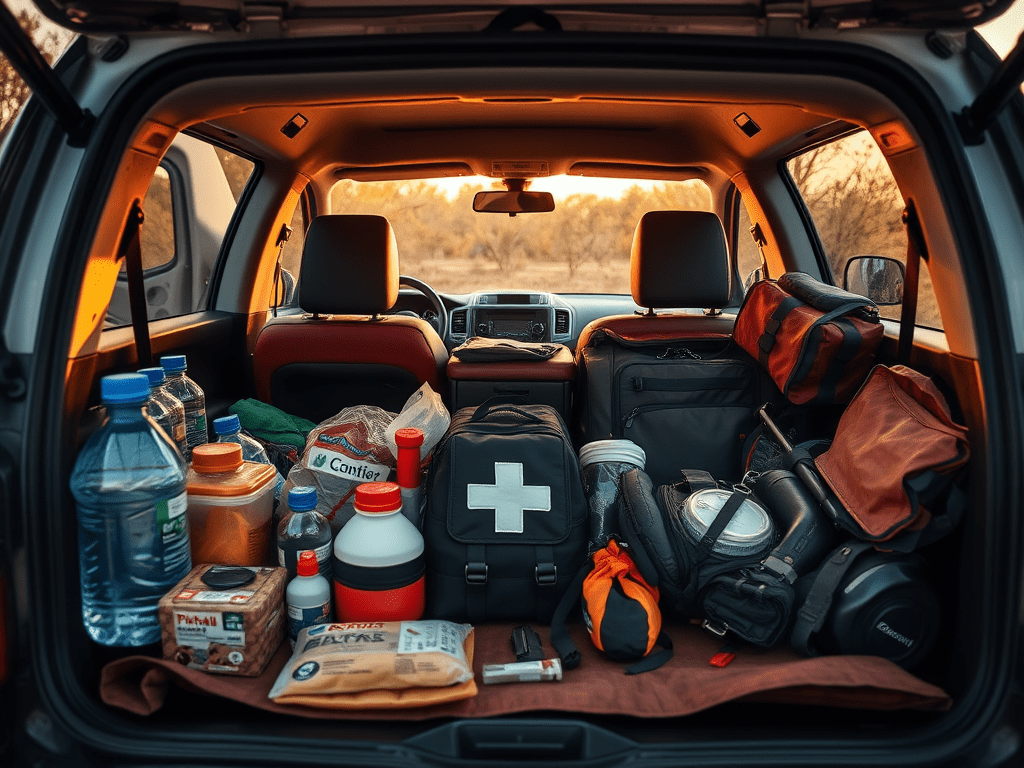
Cannot possibly emphasise this one enough. All children should have a detailed knowledge of how food is created – growing food, like fruits and vegetables, producing meat and dairy, and how to prepare food – cooking. A lot of kids have lost the natural opportunity to be connected to the food system. Bring back school gardens, community gardens, fund everyone getting some household laying hens like some places in Europe, teach kids how to grow tomatoes in a pot on a balcony. Whatever it is, connect to how food is produced. Next up, learn to create and mend. Beyond that one pillowcase lesson in year 7 or 8, all kids should be taught how to sew and do basic clothing repairs. I know we live in a delusional world of ‘everyone’ paying for someone else to do these tasks, but the reality is not everyone can afford that, not everyone has access to that, and not everyone wants that. We’re being actively encouraged to refuse fast fashion, but not educated on how to repair, reuse, and recreate clothing items. We should also learn about energy efficiency, how to live more sustainably – nothing extravagant or wild, but small steps that anyone can apply to their lives. Grow a little of your own food, understand how buying local produce reduces the environmental impact, find some ethically made clothing if it’s within your budget. Learn a new skill.
4. Emotional Intelligence & Relationships
Navigating boundaries, communication, empathy. All these skills we rely on each family model to miraculously know how to have and teach. Yet we know not everyone grew up with positive, balanced role models. Learning to recognise emotions in yourself and others, even when masked, is so beneficial. Understanding consent – in all aspects of life, not just relationships (think of the importance of medical consent, legal consent). Understanding that different people communicate in different ways, and that the message you put out isn’t controlled by you – once it’s out there, sent, how the receiver interprets that communication adds layers that you may not have intended. Have you ever read a message, or email, that you were offended by, and then later realised the person meant no offense? Perhaps a language barrier makes their message seem standoffish and rude, but they themselves are an empathetic and kind person?
What about personal relationships? Learning how and when to value a friendship or relationship of any kind is key. How much effort do you put in or recieve, what’s enough, not enough, ok, bad? How about signs of coercive control? How do you know if someone is a friend or an acquaintance? What are your personal values, and how do they influence they way you communicate, behave and interact with others?
5. Civic engagement and democracy
Learning how to human in society should be part of our education – we can then apply our learning to history, and try to understand how certain people, social movements and governments came about and fell. We should teach about civic engagement, democracy and other political institutions, how government really functions, from local, to state, to federal. With the social and political events happening across the globe right now, I think we could all use a refrsher on the facts.
6. Health & Fertility Knowledge
The reality of this section is that the most important elements are not taught. We should learn of fertility, cycles, reproductive choices, and as teens get older, the legislation that impacts the choices we may make. As a woman, I was never taught in school about how hormonally, we go from childhood, to teenage puberty years, to perimenopause, to menopause. My mother didn’t ever sit me down for ‘the talk’, assuming school covered everything. We didn’t get educated on fertility and fertility issues, or where to seek help. This is all information you either learn from your family, or by yourself later in life. Things like how to book a doctor’s appointment, advocate for your health, get a medicare card if you’re eligible, a low income health care card for when you’re a broke uni student, free youth medical facilities, mental health assistance. All of those are so valuable, and yet left up to chance if someone in your life knows to share this with you. Eating healthy foods and knowing that all foods, even treats, serve you in some way. Learning how good food can help with your mood, mental wellbeing, and your physical health. Why do we leave people to struggle and learn all this through trial and error or years of struggles?
7. History Beyond the Textbook
Complete history. Multiple sides of stories. Lessons from history – the rise and fall of empires. How every travelling culture that ever took over another groups’ territory has participated in what we now call colonialism or settlement. Politics that influenced how globalisation slowly occurred from ancient times to now. The influence of religion on world regimes. How human societies changed from agrarian to trade based and capitalist. We should learn how to analyse the past from current perspectives without placing current values on historic events and peoples. We should be taught how to analyse contextually and be more objective rather than emotive. We should learn about male and female historic figures, how mis- and dis-information was conducted even in ancient times. I think the more history you read about and learn (and it’s always changing), the better. You’ll spot patterns in history, and recognise them in current events. An informed person is harder to fool, slower to judge. And who doesn’t want more stories of female pirates with huge fleets, blokes who hid under wallaby skins to escape a convict prison, or explorers in frozen tundras?
8. Creative Expression as a Life Skill
Photography, journaling, music, crafts are not just hobbies but ways of processing and sharing life. Creativity has immense value for mental health and identity. It’s part of what makes us human. Whether it’s story telling, creating something with your hands, making music, it is all part of how we process the world around us. It can be fun, exciting, therapeutic, relaxing, soothing, healing and magical. Play, fun and creativity get devalued as we grow from small children to teens and adults. We then spend years trying to get that natural joy back. I think we should enable and encourage creative endeavours for all ages much more than we do. Not to make it elite or competitive, but to build that capacity and capability to create our own joy and release. They become coping skills for tough times, outlets for happiness, ways to process information, the works. Play, in all its forms, is essential in life.
9. Practical Philosophy & Ethics
Philosophy is something that most people pretend is too lofty, big or abstract to bother with or understand unless you want to sink into academics and use big words the rest of your life. I don’t think that’s true, I think we just don’t get taught about it in practical ways. I’ve also noticed it’s one of the first things oppressive regimes control or ban, throughout history. After all, if a people start asking questions, they might be harder to control.
Kids should learn to ask big questions like: What makes a good life? How do you know if you’re content or happy? Teens should learn stuff like How do we balance community vs. individuality? Adults should learn to question how do we balance our personal values with our jobs? Teaching kids and adults how to ask questions should be foundational work. It helps us evaluate our internal, personal and public lives and roles, how we fit in the world, what we value. What’s the difference between ethics and morals? What is a societal norm?
10. Resilience & Self-Care
This is a big one nowadays, and I think adults are getting more and more on board with it, but it needs paring back to basics to ensure everyone has some level of awareness and skill. Stress management, mindfulness, adapting to setbacks, resilience, whatever you call it, there are skills that can help when you need a hand. In little kids, it might be giving something a go, failing, and then trying again even if they got upset or frustrated with failure. In teens it might be hearing or seeing things that make them question their value, and learning to recognise when feelings and reality don’t always match, and that they can recognise their value even in tough times, whether they’re being bullied, or seeing images that make them feel not enough, unseen. They can see those things, and recognise they still matter, be kind to and strong for themselves, knowing they are still loved and lovable, and have their own intrinsic value that cannot be removed or changed. Learning when you want or need to sort through an issue yourself, or when it would help you to reach out.
That’s my top 10, for now, anyway. I’m not saying all of it should be up to school teachers to absorb and educate on, but I think it’s on us as a society to expand our learning, encourage more thought and kindness, creativity and intent. School should be where we learn how to learn. Once you have that skill, the only things stopping you are access to information and your attitude and ambition, usually.
What do you wish you’d learned in school?


 Horizon Homestead
Leave a comment